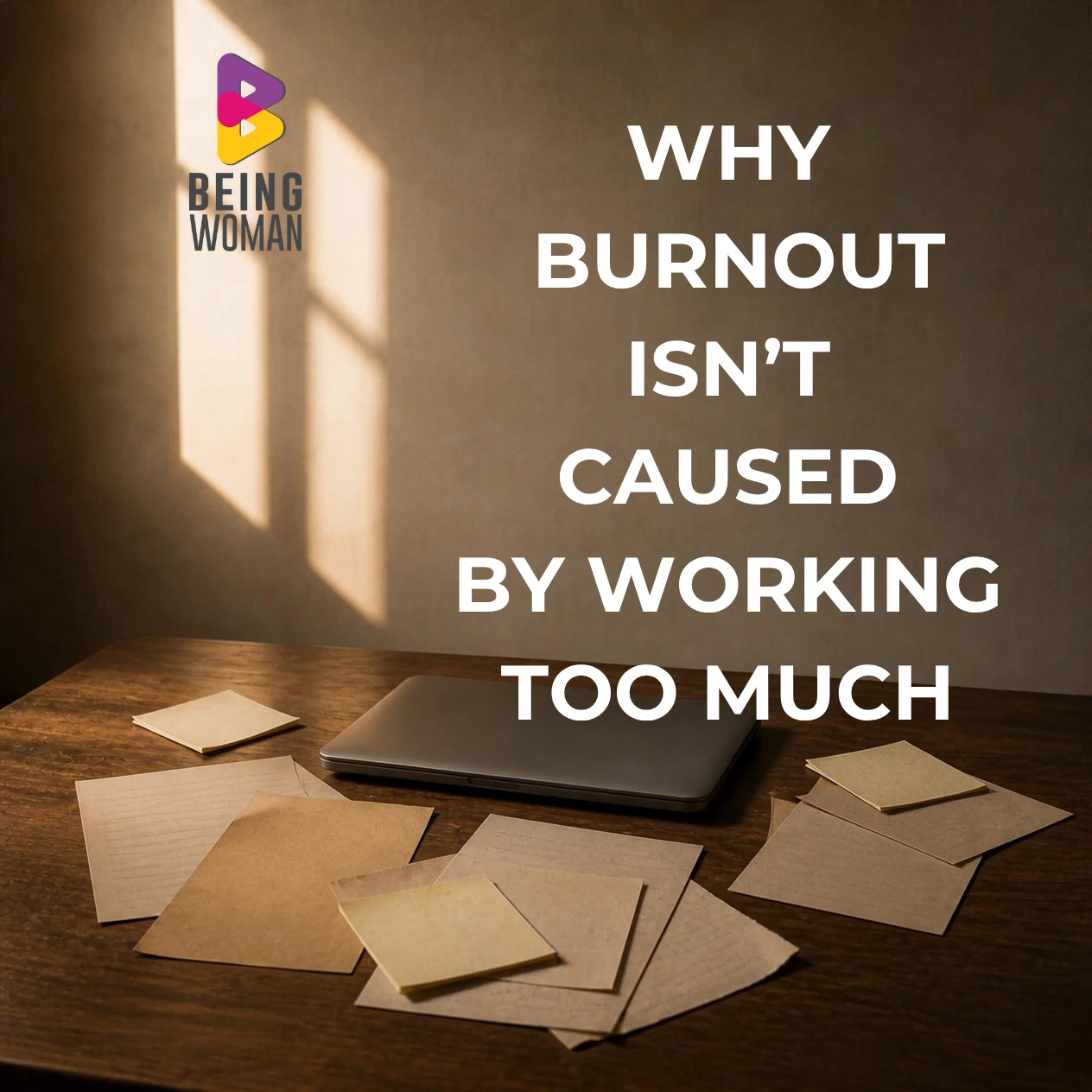
Burnout gets blamed on one thing.
Working too much.Too many hours. Too many responsibilities. Too many meetings. Too much on your plate.
And while workload absolutely matters, there’s another part of burnout that gets less attention:
What happens when your brain never gets the signal that you’re finished?
- You can stop working at 6 pm and still feel like you’re working at 10 pm.
- You can spend the weekend away from your laptop and still mentally run through everything you haven’t done.
- You can even have a relatively quiet day and end it feeling exhausted because your mind never experienced the day as complete.
Your brain doesn’t only respond to what you’re doing
It also responds to what remains unresolved.
When you have an unfinished task sitting in the back of your mind, it can remain mentally active even when you’re doing something else.
That might be:
“Reply to that email.”
“Remember to call Mum.”
“Figure out what I’m doing about this project.”
“Why haven’t I started that thing yet?”
Individually, these thoughts seem small.
But stack twelve of them together, and your brain can start carrying a running list of unfinished business everywhere you go.
Research on unfinished tasks has found that they are associated with continued work-related thoughts during off-job time, which can interfere with recovery.
So the problem isn’t simply: How many hours did you work?
It’s also: Did your brain ever get to stop working?
The Zeigarnik effect
You’ve probably experienced this without knowing what it was called
A half-finished book can feel strangely more mentally present than one you’ve completed.
A message you haven’t replied to can keep popping into your head.
A project that’s 90% done can sometimes occupy more mental space than five completed projects.
This is the Zeigarnik effect; the tendency for unfinished activities to remain psychologically salient. Incomplete work can follow you outside the place where you were doing it.
And this matters for recovery.
Because recovery isn’t just about stopping
Imagine finishing work at 5 pm. Physically, you’re done.
But mentally, you’re still thinking:
“I need to remember to do this tomorrow.”
“What if they don’t like what I sent?”
“I’ve got so much to catch up on.”
Your body may have left the office. Your attention hasn’t.
And if that happens repeatedly, the period that is supposed to restore you can become another period of low-level work. That’s one reason burnout isn’t always solved by simply saying: “Take a day off.”
If your mind spends that day rehearsing everything you haven’t finished, you may be physically resting without experiencing much psychological detachment.
This is why “done” matters
We don’t need every task completed before we can relax. That’s impossible.
There will always be another email.
Another deadline.
Another responsibility.
Another thing you could improve.
The goal isn’t to finish everything. It’s to create a credible stopping point. That might mean ending the workday by writing down:
- What I finished today.
- What still needs to happen.
- What I will do tomorrow.
You’re giving your brain somewhere to put the unfinished work.
So you instead of asking
“How do I get everything done?”
It is:
“How do I create a boundary around what is enough for today?”
You don’t need to finish your entire life before you’re allowed to rest. You need to know when today’s work is done.
A thought to carry with you
There will probably always be something unfinished. The question is whether you can teach your brain that unfinished doesn’t mean urgent.
Write down what remains.
Decide what happens next.
Close the laptop.
And let tomorrow’s version of you deal with tomorrow’s problems.
You don’t need to finish everything to be finished for today.
What would change if, instead of asking “What haven’t I done?”, you started asking “What is enough for today?”
If you are going through any kind of trouble in life, if you feel like you need someone to talk to but are too shy to speak up, use this anonymous feature to send me a message.


1 thought on “WHY BURNOUT ISNT CAUSED BY WORKING TOO MUCH”
Very useful